Transform Your Interior: Your Complete Guide for Selecting the Ideal Rooflight
In city settings, optimizing natural light can considerably affect the atmosphere of a space. Rooflights provide numerous advantages, from boosting mood to increasing property value. This article examines important factors to consider when choosing the perfect rooflight. It examines designs, materials, and positioning strategies that can revolutionize indoor environments. Recognising these aspects is essential for reaching well-informed decisions. Still, there is much more to uncover; important guidance on installation and upkeep lies ahead.
Understanding the Benefits of Rooflights
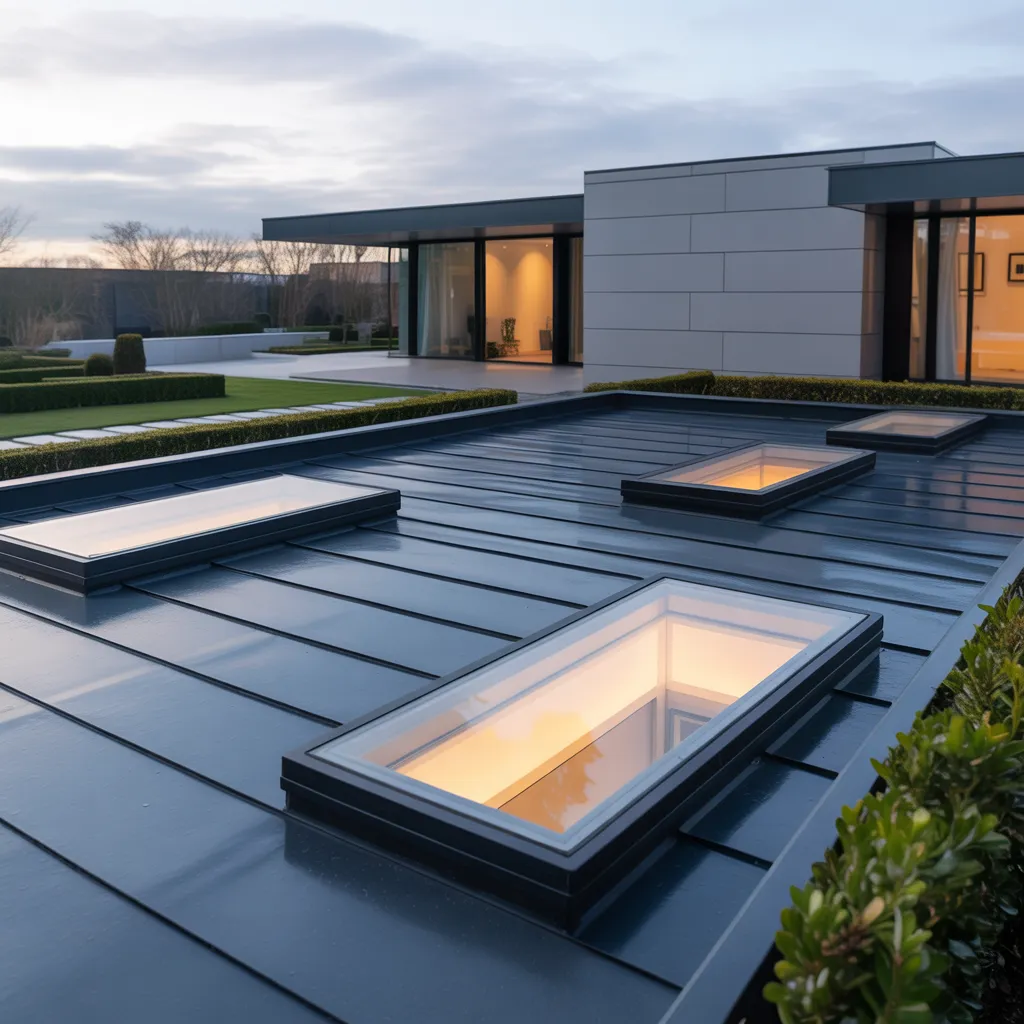
Natural light is a transformative element in any interior, and rooflights offer an effective solution to harness it. By allowing sunlight to flood into interiors, rooflights improve the ambience, creating a sense of openness and spaciousness. This flow of natural light can significantly boost mood and productivity, leaving spaces feeling more welcoming.
Furthermore, rooflights promote energy efficiency by decreasing the need for artificial lighting during daylight hours. This not only decreases electricity costs but also lessens the impact on the environment. Correctly fitted rooflights can boost ventilation, encouraging better air circulation and elevating indoor air quality.
Moreover, rooflights can serve as architectural focal points, contributing visual interest and added value to a property. When all is considered, the advantages of rooflight installations extend beyond mere illumination; they improve the overall quality of living and contribute to a more sustainable and healthier environment.
Rooflight Styles and Options
When selecting the ideal rooflight, you should evaluate the different styles and designs to choose from, as each can greatly influence both aesthetics and functionality. Common choices include fixed rooflights, which deliver a sleek, minimalist aesthetic, and opening rooflights that allow for ventilation alongside natural light. Skylights, often larger and sloped, can serve as a striking centrepiece within a space.
Moreover, lantern rooflights present a multi-faceted design that elevates architectural interest while optimising sunlight. For heritage homes, vaulted or curved rooflights can enhance traditional styles, offering a fusion of style and functionality.
Furthermore, today's designs regularly embrace frameless alternatives, developing a continuous flow between indoor and outdoor environments. Every option offers distinct benefits, making it crucial to select an option that complements the overall aesthetic while addressing particular lighting requirements.
Choosing Sturdy and Attractive Options for Your Rooflight
Choosing the right components for a rooflight influences more than just its longevity but also its visual appeal. Popular materials consist of glass, polycarbonate, and acrylic, each offering individual benefits. High-quality reinforced or treated glass is chosen for its strength and clarity, permitting natural light to stream inside while providing superior insulation. Polycarbonate, alternatively, is impact-resistant and lightweight, making it suitable for regions susceptible to harsh weather conditions. Its UV resistance keeps it clear as time passes, boosting both its visual appeal and resilience. Acrylic is yet another alternative, known for its cost-effectiveness and adaptability, though it can be more prone to scratching than glass. When considering materials, one should also consider frame options, such as aluminum or wood, which can complement the overall design while ensuring structural integrity. Ultimately, the ideal selection of materials will elevate both the performance and aesthetic appeal of the rooflight.
A Step-by-Step Guide to Installing Your Rooflight
Installing a rooflight demands careful planning and execution to guarantee a smooth fit within the existing structure. To begin, it is important to inspect the condition of the roof and verify that it can bear the installation. Exact measurements of both the rooflight and the opening assist in avoiding any fitting issues.
Next, trimming the roof framework must be performed with precision, as per manufacturer guidelines. It is strongly suggested to apply covering materials to prevent debris from entering the home.
After the opening is set, the rooflight frame should be placed and fixed, making sure it is even and weatherproof. Proper sealing with flashing and the right materials will avoid water penetration.
To complete the process, interior refinement, like trim and plastering, must be carried out to create a polished look. Adhering to these guidelines confirms that the roof light not only maximises illumination but also maintains structural integrity and aesthetic appeal.
Where to Place Your Rooflight for Maximum Sunlight?
How does one establish the optimal placement for a rooflight to make the most of sun exposure? The direction the building faces is a key factor; rooflights that face south generally receive the most sunlight across the entire day. By comparison, eastward-facing rooflights will capture morning sun, while westward-facing rooflights take advantage of afternoon rays.
The slope of the roof influences light penetration; a more pronounced angle can enable more light to enter, especially during colder months when the sun is lower in the sky. Moreover, considering nearby buildings and vegetation is important, as they may cast shadows that limit light access.
Strategically placing rooflights throughout spaces such as kitchens or lounge areas enhances natural light, creating a more welcoming environment. In the end, considering these elements helps determine the most suitable position to optimise sunlight exposure, guaranteeing a light-filled and cheerful space.
Maintaining Your Rooflight: Care Tips
Maintaining a rooflight is important for maximizing its lifespan and function. Implementing a scheduled cleaning routine minimizes dirt buildup, while routine assessments for wear and tear make certain faults are corrected without delay. Through prioritizing these maintenance practices, homeowners can appreciate the value of their rooflight for the long term.
Consistent Cleaning Schedule
Although rooflights enhance natural light and energy efficiency, they need a consistent cleaning routine to preserve their clarity and functionality. Dust, debris, and environmental pollutants can accumulate, obstructing light transmission and diminishing aesthetic appeal. Rooflights should ideally be cleaned at least twice a year, or more frequently in areas with high pollen or pollution levels. Using a soft cloth and a mild, non-abrasive cleaner guarantees that the surface remains scratch-free. When dealing with difficult-to-reach sections, a squeegee or extension pole can prove useful. Moreover, monitoring for debris buildup following storms or heavy winds aids in prompt maintenance. Consistent cleaning not only maintains visibility but also prolongs the lifespan of the rooflight, guaranteeing optimal performance.
Check for Damage
Regular cleaning is only one aspect of rooflight maintenance; examining for damage is equally critical. Homeowners should conduct routine inspections to identify potential issues that could compromise the rooflight's integrity. This encompasses examining for cracks, leaks, or any evidence of wear along the seals. Moreover, it is important to assess the frame and surrounding areas for rust, rot, or other forms of damage. Weather conditions, particularly storms, can exacerbate damage, making timely inspections necessary. When any concerns are identified, tackling them without delay can prevent costly repairs and sustain the rooflight's functionality. Regular inspections not only enhance the lifespan of the rooflight but also guarantee maximum natural light and ventilation within the space.
Including Rooflights In Your Home Design
Integrating rooflights into home design can considerably elevate both aesthetics and functionality. By enabling natural light to illuminate rooms, rooflights can produce an atmosphere of openness, making rooms appear bigger and more welcoming. Strategically placed rooflights can also enhance energy performance by decreasing the need for artificial lighting during daylight hours.
When integrating rooflights, consider the architectural style of the home. Modern or contemporary homes may be well suited to sleek, minimalist options, while classic residences might require more ornate fixtures. Location is critical; aligning rooflights with key living areas or corridors optimizes their contribution to the space.
Additionally, combining rooflights with shading solutions, such as blinds or shutters, allows homeowners to manage light levels and preserve privacy. This careful combination not only enhances the visual appeal but also contributes to a practical and pleasant home environment. At their core, rooflights act as a compelling architectural element that perfectly balances form and function.
Frequently Asked Questions
What Are the Energy-Saving Advantages of Rooflights?
Skylights improve overall efficiency by harnessing natural daylight, decreasing dependence on artificial light sources, and strengthening insulation properties. This results in lower energy demands, lower utility bills, and a lesser carbon footprint, promoting a sustainable living environment.
In What Ways Do Rooflights Impact Indoor Temperature Regulation?
Roof windows boost indoor thermal management by allowing natural light to enter, reducing reliance on artificial heating and cooling. This can contribute to a more balanced interior climate, supporting comfort while potentially decreasing energy demands.
Do Rooflights Help Cut Down on Artificial Lighting Needs?
Rooflights are able to considerably reduce artificial get details lighting needs by optimising natural light intake. This boosts indoor illumination during the daytime, allowing spaces to remain well-lit without relying heavily on electric lighting, thereby promoting greater energy efficiency.
Which Building Regulations Are Relevant to Rooflight Installations?
Building codes for roof window installations typically include structural integrity, thermal efficiency, and safety requirements. Adherence ensures sufficient natural light, airflow, and energy conservation while conforming to local planning permissions and construction regulations for domestic or commercial buildings.
Are There Any Safety Issues With Rooflights?
Rooflights do present safety concerns that include potential structural weaknesses, glass breakage, and improper installation. Such problems may result in accidents, water infiltration, and energy loss, necessitating careful selection and professional installation to mitigate risks.